xneelo: Redesigning a hosting platform for companies that plan to grow
9
Designers led across product and UI
1yr
From rebrand to full product range launch
0→1
New product line including WordPress hosting
Role
Product Design Team Lead
Team
6 product designers · 3 UI designers
Scope
Strategy · IA · Product Design · Visual Identity
Gallery
The problem
xneelo — formerly HetznerZA — had just completed a full rebrand, separating itself from the Hetzner ecosystem to establish an independent identity in the South African hosting market. The timing wasn't gentle: AWS was accelerating its local presence, and xneelo needed a product range that could compete on clarity and trust, not just price.
The existing product architecture had been inherited from the Hetzner era. It didn't reflect xneelo's new positioning, didn't accommodate new services like WordPress hosting, and left customers guessing about which plan was right for them as their businesses evolved. My job was to lead a team of 9 designers to fix all of it — while the company was simultaneously launching a new brand.
“The app had strong fundamentals. The problem wasn't trust in the product — it was that the interface made people feel like they were doing something wrong.”
The pivotal decision: one system, not three
Early in the project, we faced a fundamental fork in the product architecture. The conventional approach — the one most hosting providers use — was to segment the product range by company size: separate tiers for small, medium, and enterprise customers, each with its own interface, pricing structure, and feature set.
We rejected it.
✓ Option chosen
A single unified system where customers scale resources — not plans. No migration, no re-learning the platform, no switching cost as they grow.
❌ Option rejected
Segment by company size — SME, mid-market, and enterprise tiers. Each with distinct interfaces and feature sets. The industry default.
The rationale was grounded in what we heard in user research: customers didn't want to outgrow their hosting plan. Migrating between tiers — even within the same provider — created anxiety, downtime risk, and churn. The pain wasn't the price of upgrading. It was the disruption of the process.
How I led the team
With 9 designers working across research, product design, and UI simultaneously, the challenge wasn't just design — it was coordination. I set the strategic direction and design principles at the start of each sprint, ran weekly design crits to maintain quality and consistency, and made the final calls on any decisions that cut across workstreams.
I also managed the relationship between the design team and the engineering and marketing leads. On a project this scope — new brand, new IA, new product line, all in parallel — the risk of fragmentation was real. Keeping design coherent across nine people over a year required deliberate decisions about what we standardised early and what we left flexible.
We standardised: component library, token system, tone of voice for UI copy, and the core IA pattern. We left flexible: visual expression within product areas, which let individual designers bring craft without breaking consistency.
What shipped
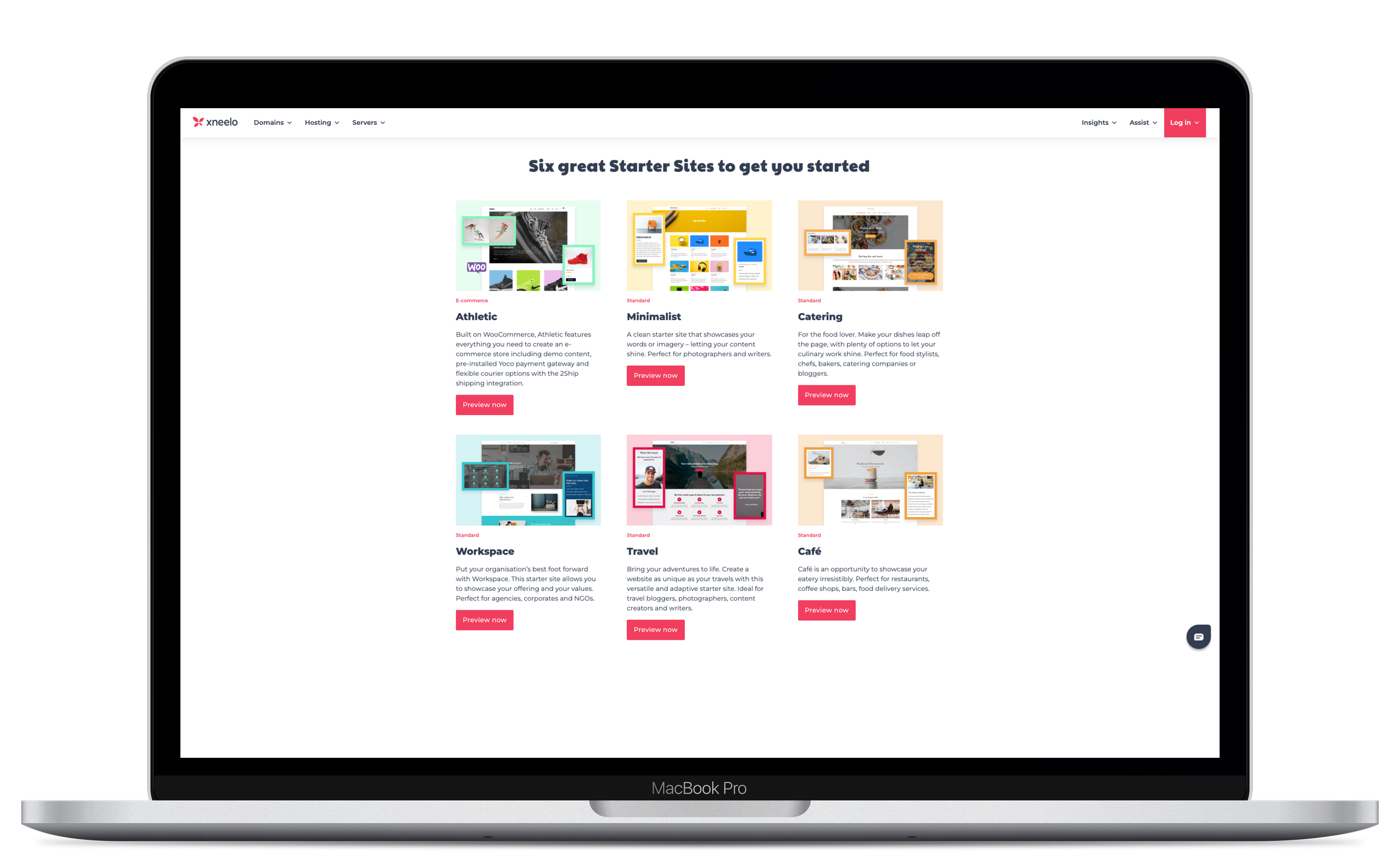
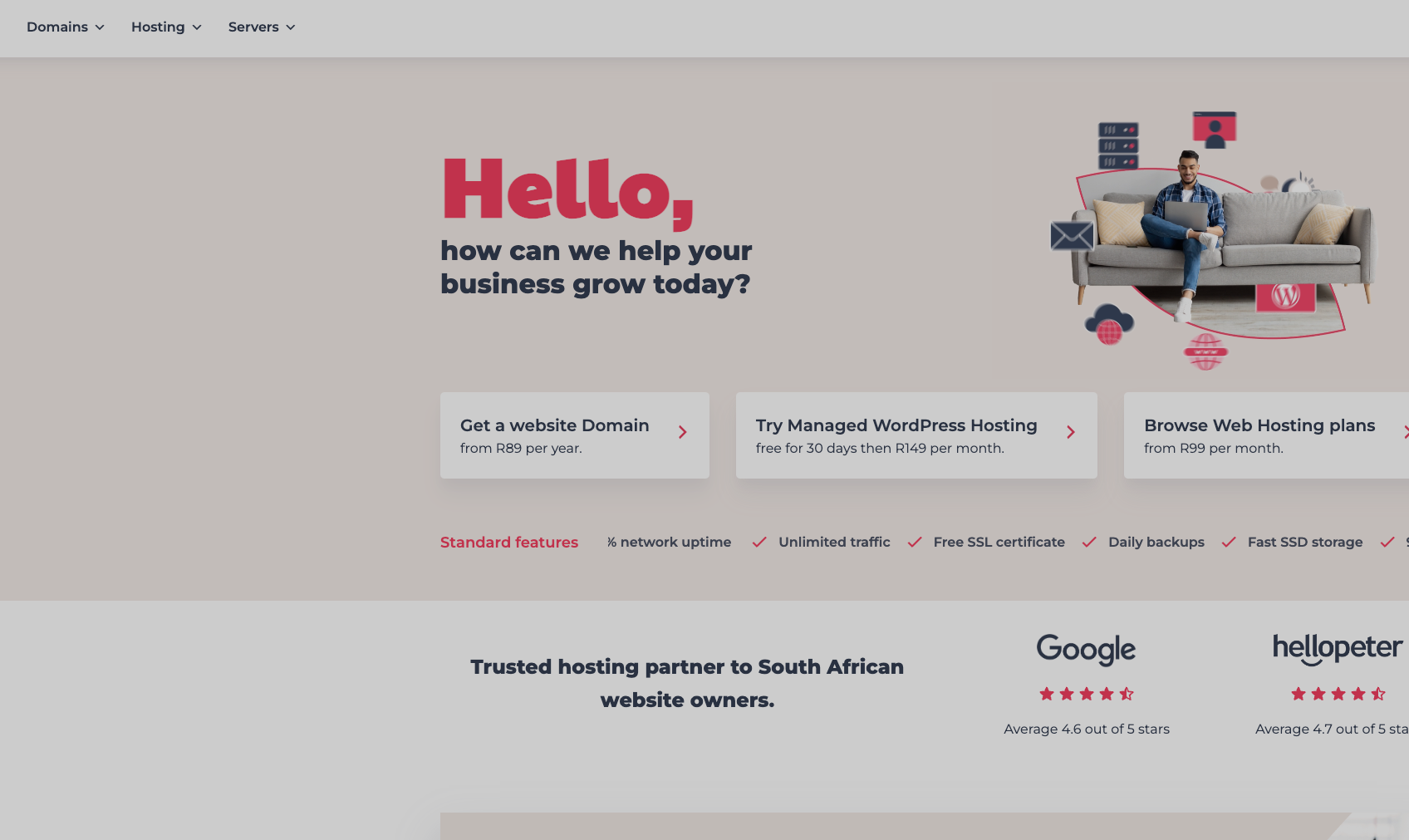
A fully redesigned product range built on the unified resource-scaling architecture — including the new WordPress hosting offering, which required designing onboarding, management, and upgrade flows from scratch. A new visual identity applied consistently across web, product, and marketing surfaces. And a control panel redesign that made the "scale your resources, not your plan" model something customers could actually understand and trust at a glance.
If we designed a system where growing meant adjusting a slider, not contacting support and migrating infrastructure, we could make xneelo the hosting provider that scaled with you — not one you eventually left.
This decision shaped everything downstream: the IA, the onboarding flow, the control panel, and the way we communicated resource limits across the entire product surface.
What I'd do differently
The unified system was the right call, but we underestimated how much work the onboarding copy would need to do. Most customers arrive with the mental model of "pick a plan" — that's what every other hosting provider teaches them. We designed a great system but left the explanation too late in the flow. I'd push earlier and harder for content design to be in the room from day one, not brought in once the wireframes were locked.